HEART RATE
now
High Heart Rate
Your heart rate rose above 120 BPM while you seemed to be inactive.
My Story / Brandon Metcalf
I've spent my life listening for potential
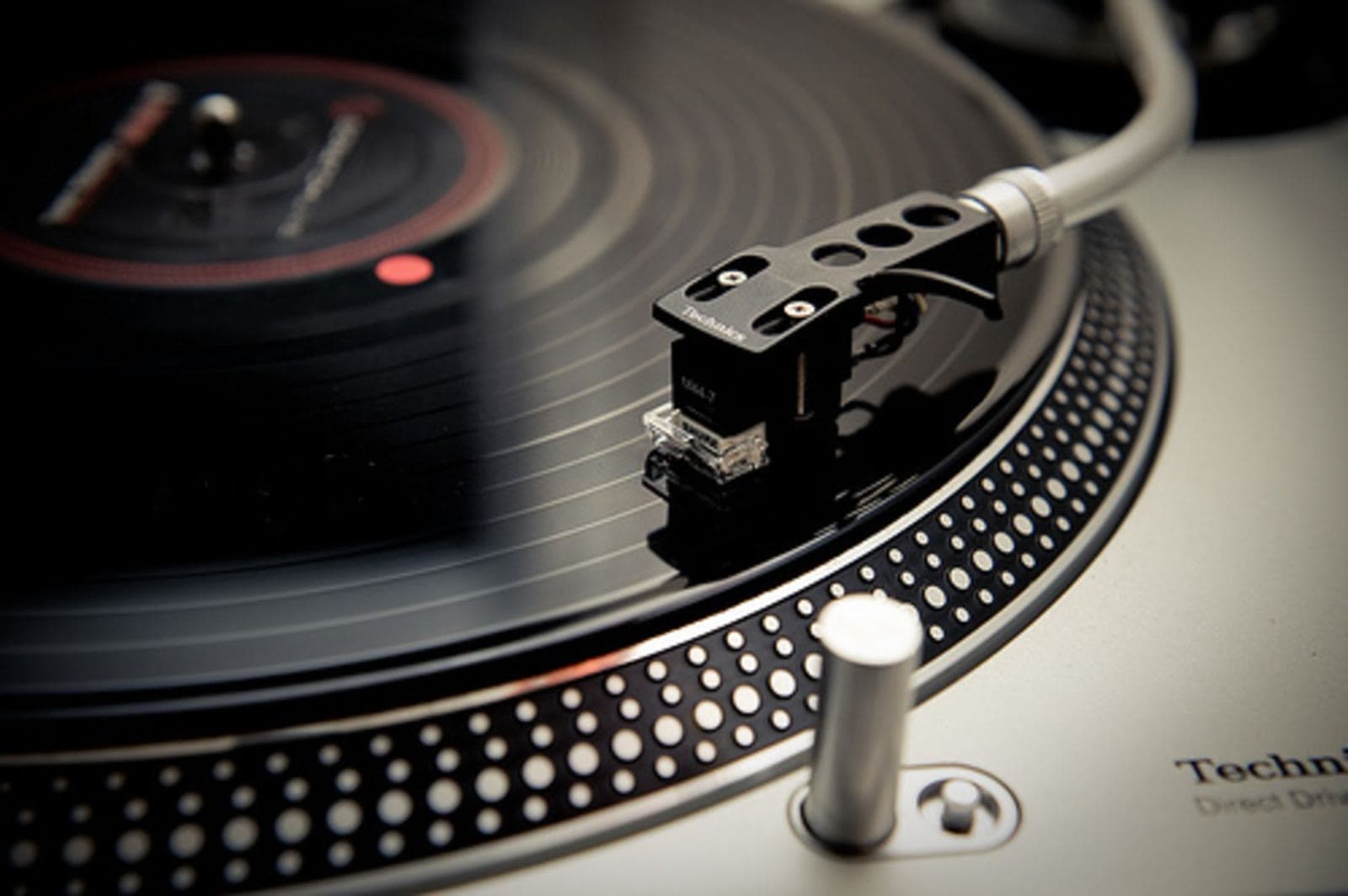
in the space between vinyl grooves of a record as I imagine flipping the sample into something new;
in iPhone songwriter worktapes before a song has been cut;
in raw basement demos recorded before a band finds its sound;
in the pitch of a young founder;
in the pause when a struggling leadership team is on the verge of a breakthrough.
It started with turntables in my teenage bedroom outside of Seattle and somehow led to boardrooms in Nashville, but the thread has always been the same: seeing the diamond in the rough, discovering the story that wants to be told.
Call it intuition. Call it pattern recognition.
I've come to think of it as the producer's ear - the ability to hear what isn't there yet, but could be.
On November 17, 1988, the world felt a little closer to heaven when my little sister, Shalane, was born. She had a special way of bringing beauty and light into the lives of others without even trying. Something about being around her just made me want to be better. It was an undeniable feeling for anyone who spent time with her. She has a place at the beginning of my story because my story begins with her. She made me all that I am and all that I aspire to be.
Complications at birth caused irreversible brain damage. She would require 24/7 care. Her condition would prevent her from ever being able to walk, talk, or live an ordinary life. But she was never meant to live an ordinary life.
My sister Shalane never spoke a word, but she taught me more about listening than anyone else ever would.
She'll always be my special angel, my inspiration to do and be better, the soul behind every song. Everything that follows and any part of me that's good is because of her. I dedicate it all to her loving memory.
ACT I
Chapter 01
circa '98-'02
THE LEADERSHIP
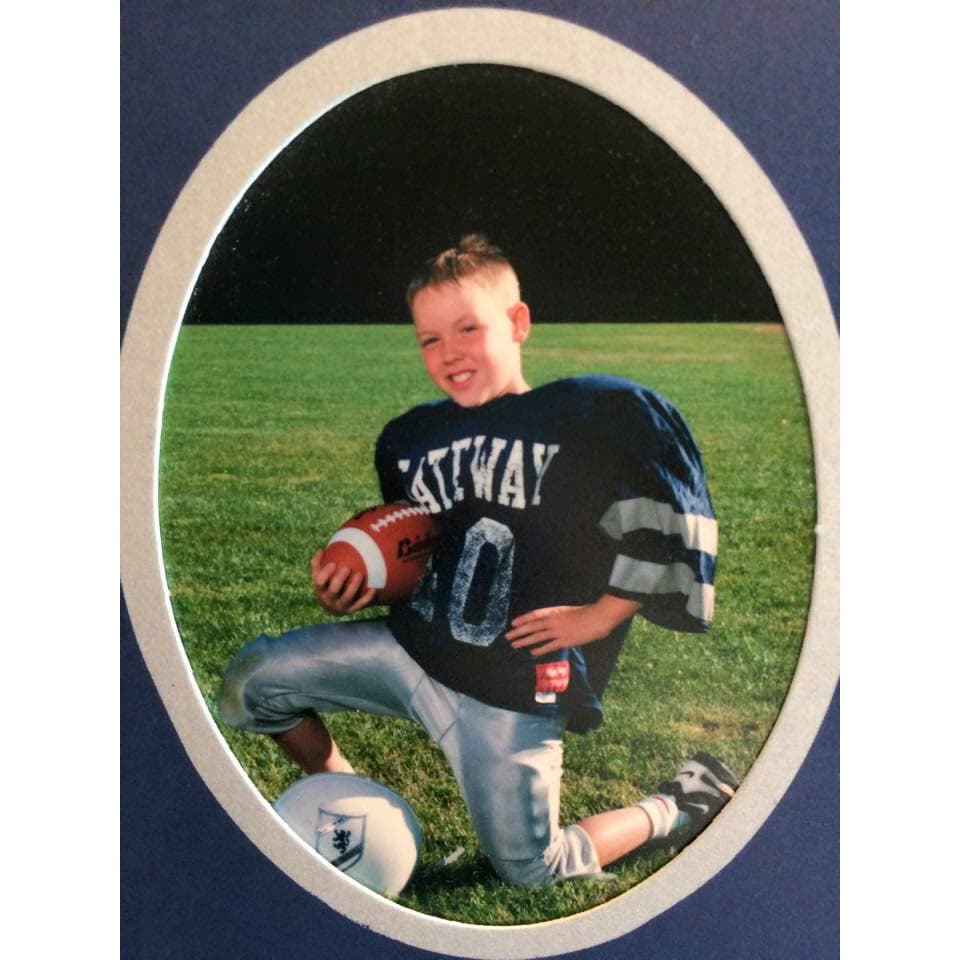
I've been studying leadership since 7th grade, when my classmates at Gateway Middle School elected me student body president for the upcoming year. I thought I understood leadership. I had a lot to learn.
THE MUSIC
Around the same time, I also became a student of music production and A&R (the art of spotting & developing raw talent). I had become enamored with underground hip hop and the culture surrounding it. With months of savings from my paper route job, I had my mind and my heart set on a pair of turntables.
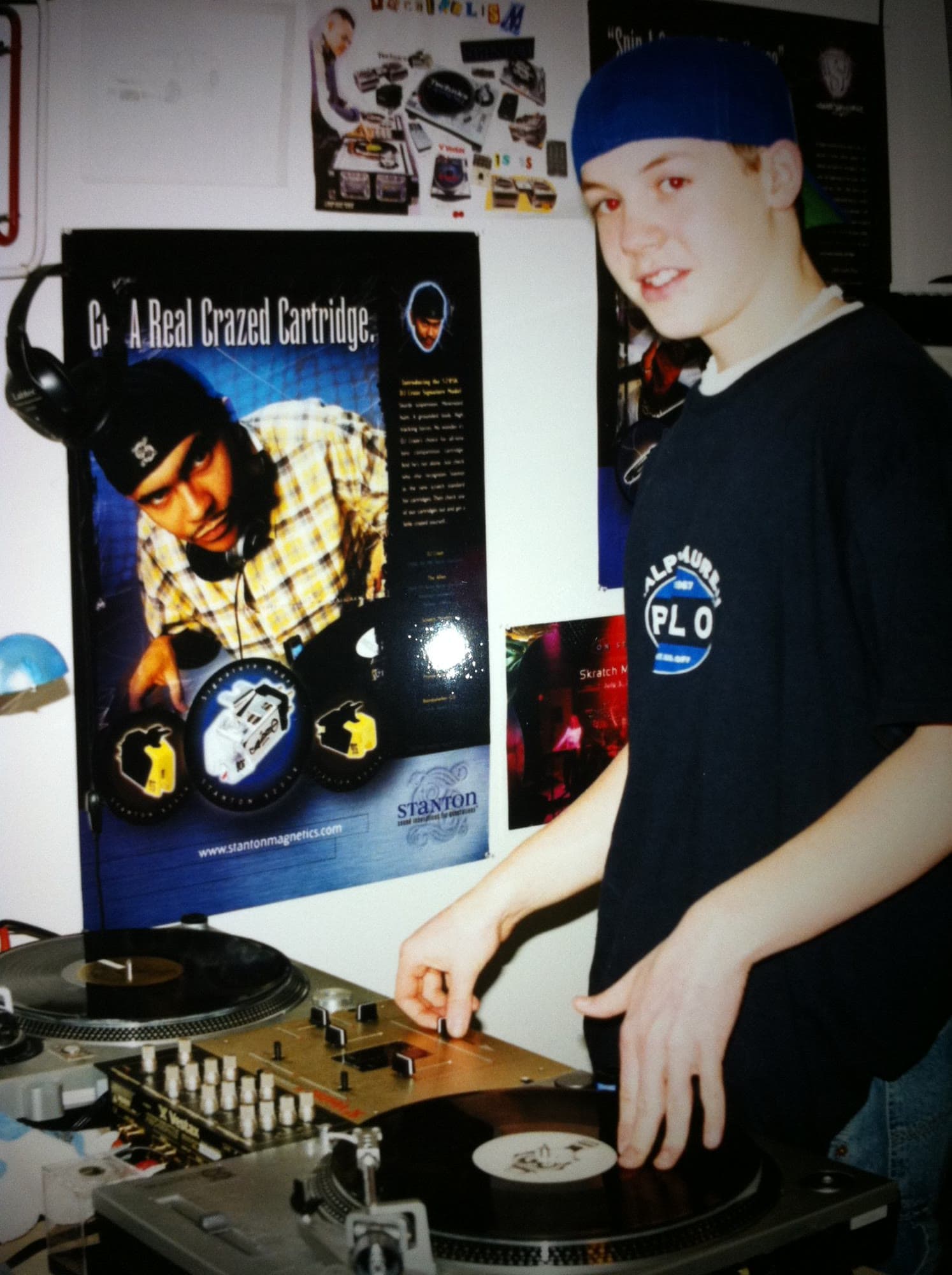
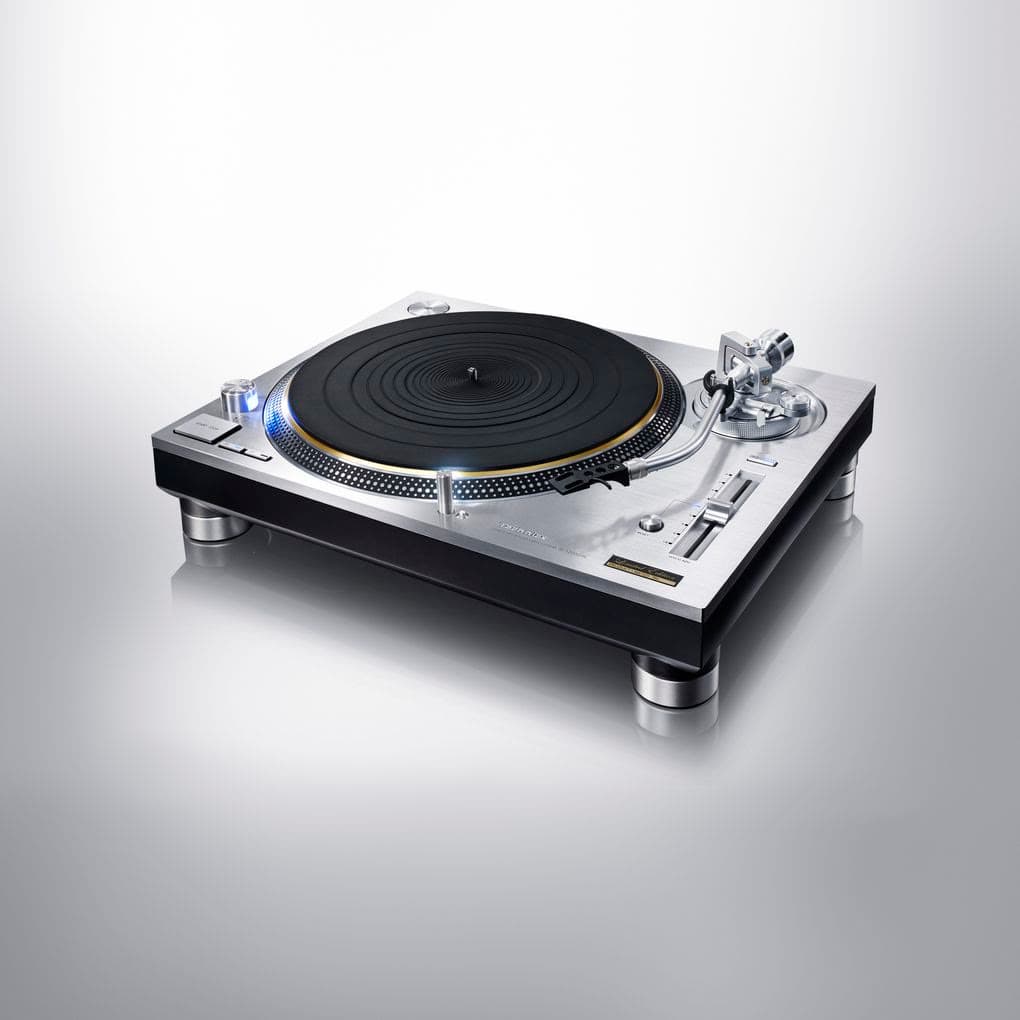
I still remember the first night I set those turntables up in my room - my hands hovering, almost shaking, before I dropped the needle.
The first record: Michael Jackson's Thriller. The speakers crackled, then came alive.
Suddenly I wasn’t just listening to music, I was interacting with it. That moment made me feel like I’d unlocked a door into a whole new world. I didn't know it at the time, but that was a first step on a journey that would lead me to discover passions for creating music and businesses.
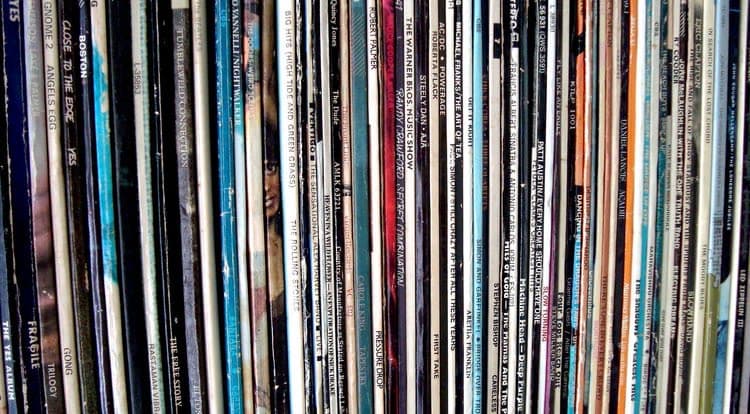
My dad's old record collection got me started; before long I was digging through crates at yard sales and local record shops to build my own. I learned to appreciate just about every genre.
Somewhere along the way, I started sampling passages from my favorite records, chopping them up, creating new compositions from old foundations. I was learning my first lessons in what would become my life's work: hearing the potential in something that's already there - raw, undeveloped - then pulling it out and producing it into something great.
My best friend and I made a hip hop album when we were 13 - I made all the beats, we wrote our verses, and I recorded us on a crappy mic in my bedroom and the bathroom across the hall. My first recording studio, at my parents' house. We even performed a few times.
What began as a bedroom DJ hobby turned into parties, competitions, and then, very quickly to paying gigs. I'll never forget the first one. I was hired to DJ a local middle school dance. Their budget: $300. I was 13 years old.
"Someone is going to pay me $300 to DJ a school dance?"
That was more than I could make in two months delivering papers.
That school dance turned into many more, and by 15 I was booked for my first wedding. Their budget: $750. That's when I started treating it like a real business.
Looking back, I see a pattern forming. My fascination wasn't just with music, but with leadership.
MIDDLE SCHOOL
My tenure as Student Body President was an experience that sent me to specialized leadership camps and taught me my first lessons in what it means to bring people together. It provided the perfect opportunity for me to begin developing my own personal leadership style.
HIGH SCHOOL
My leadership education continued through high school. Serving as class president multiple years and being selected to represent my high school at Boys State felt less like extracurriculars and more like a natural extension of who I was.
These weren't separate paths. I was developing the same skills in different rooms: reading the energy, finding the rhythm, making disparate elements move together.
These early experiences were my first studio, a place to practice orchestrating people and ideas - a skill that would become the bedrock of my entire career.
Chapter 02
circa '02-'12
Nearing the end of high school, I was growing impatient. My drive and ambition had me dreaming of my next chapter, my next evolution as an entrepreneur.
My world consisted of long hair, neon, and pop punk. Indie labels like Drive Thru were responsible for the soundtrack to my late teenage years, and the dreams of producing a Drive Thru Records band or signing bands to my own label kept me up at night. (Little did I know at that time that both of those dreams would one day come true)
I graduated high school early and exited the DJ business I had started to pursue an education.
The scholarship to BYU's business school was supposed to be the path to the dream. But over Christmas break, the dream arrived early.
When I was home for the holidays, I set up a few mics and my Pro Tools M-box so I could record a few songs with a couple of friends. We uploaded them to MySpace as an experiment, and they started spreading like wildfire. The choice was binary: stay in school to study entrepreneurship, or drop out and practice it.
I knew I could go back to school.
I knew I couldn't go back to this moment.
So I chose to practice.
I left school, set up a small studio, and spent the next decade making loud punk rock records, starting a label, and learning that the business side of music could be a brutal counterpoint to the beauty of creating it.
Along the way, I was developing my craft and my sound, learning from as many different producers and engineers as possible. Looking back, I probably made a lot of really bad records, but I pushed myself with every project, working to develop my ear and create new sounds and a style unique to me.
To produce & invest in artists I believed in, I started an indie label, then a screen-printing company, building an ecosystem where art and commerce could coexist.
The universe seemed to agree - until it didn't. The project with my childhood best friend - the same friend from that first album in the bathroom booth, the one I'd left college for - became my first lesson in how success can change the key everyone's playing in.
"You've made enough money on this," a new manager told me.
I thought success would have created harmony; instead, it had introduced dissonance we couldn't resolve. I was learning that a band, like any team, can have all the talent in the world and not be playing in sync.
I made a lot of music the world will never hear: on bands I thought had a shot but couldn't get out of their own way, on projects that were on the verge of greatness but never quite had their time.
I invested in projects that fell apart; deals that went sour; friends and money lost in a gamble against the music industry.
It was a strange and painful lesson - that success, which should be a moment of shared celebration, can sometimes be the very thing that pulls people apart. It wouldn't be the last time I'd have to learn this painful lesson.
I was learning to produce.
I was learning to listen.
Those years in Monroe, Washington - the long nights, the bands that almost made it, the deals that fell through - they were all preparation.
ACT II
Moving to Nashville wasn't a conscious decision - it was a dare to the universe.
Chapter 03
2012 - 2014
I’d hit a plateau. Nashville had shown me its magic on a project a few years earlier - the talent, the energy, the community - and I knew that someday, I wanted to be part of it. But "someday" is a dangerous word.
I posted my house for rent thinking if someone wanted it within a week, I'd take it as a sign. Someone did. Seven days later, I was driving through the night, a U-Haul full of studio gear, headed toward a city where I knew exactly no one.
Driving through some flyover state in the middle of the night, headlights cutting across the empty highway, I asked myself if I was being bold or just reckless.
It was the same question I'd asked myself when I left college. I already knew the answer.
More often than not, there is no perfect time or perfect plan; there's only: make a decision, move fast, and figure it out along the way.
The old Soundshop Studios at the end of Music Row became home - literally. My housing had fallen through, so it was control room by day, bedroom by night. Some mornings, I'd sneak over to the Best Western next door for their continental breakfast, hoping to blend in enough to look like a guest. It was a humbling ritual fueled by the belief that I was exactly where I needed to be. It was perfect.
Soundshop Studio B, somewhat neglected prior to my arrival, had the musty smell of a space waiting for a new story. I established a new venture I called Destiny Nashville.
"Moving to Nashville is like playing basketball with your older brother and his friends - you either quit, or you get really good, really fast."
THE MUSIC
Within two years, I was producing multi-platinum artists, writing songs with GRAMMY-award winners, mixing alongside legends. I was making the best music I’d ever been a part of.
THE LEADERSHIP
My leadership journey continued, too. I joined Nashville's Society of Leaders in Development (SOLID), began networking at the Nashville Entrepreneur Center, and volunteered every summer to serve as a facilitator, staff member, and keynote speaker at the Hugh O'Brien Youth Leadership Seminar (HOBY).
The kid who'd been class president was learning what real leadership looked like: it wasn't about being in front - it was about creating the conditions where others could be their best.
Just as momentum was building, like many others on Music Row, our building was sold to a developer. Its fate: to become condos. I organized one last session - my Nashville A-Team, the musicians who'd become family - to be the final music those walls would hear. Shortly after, the studio that had hosted Paul McCartney, Dolly, Brooks & Dunn, and many more, was nothing more than a pile of dust at the end of Music Row.
Chapter 04
2014 - 2016
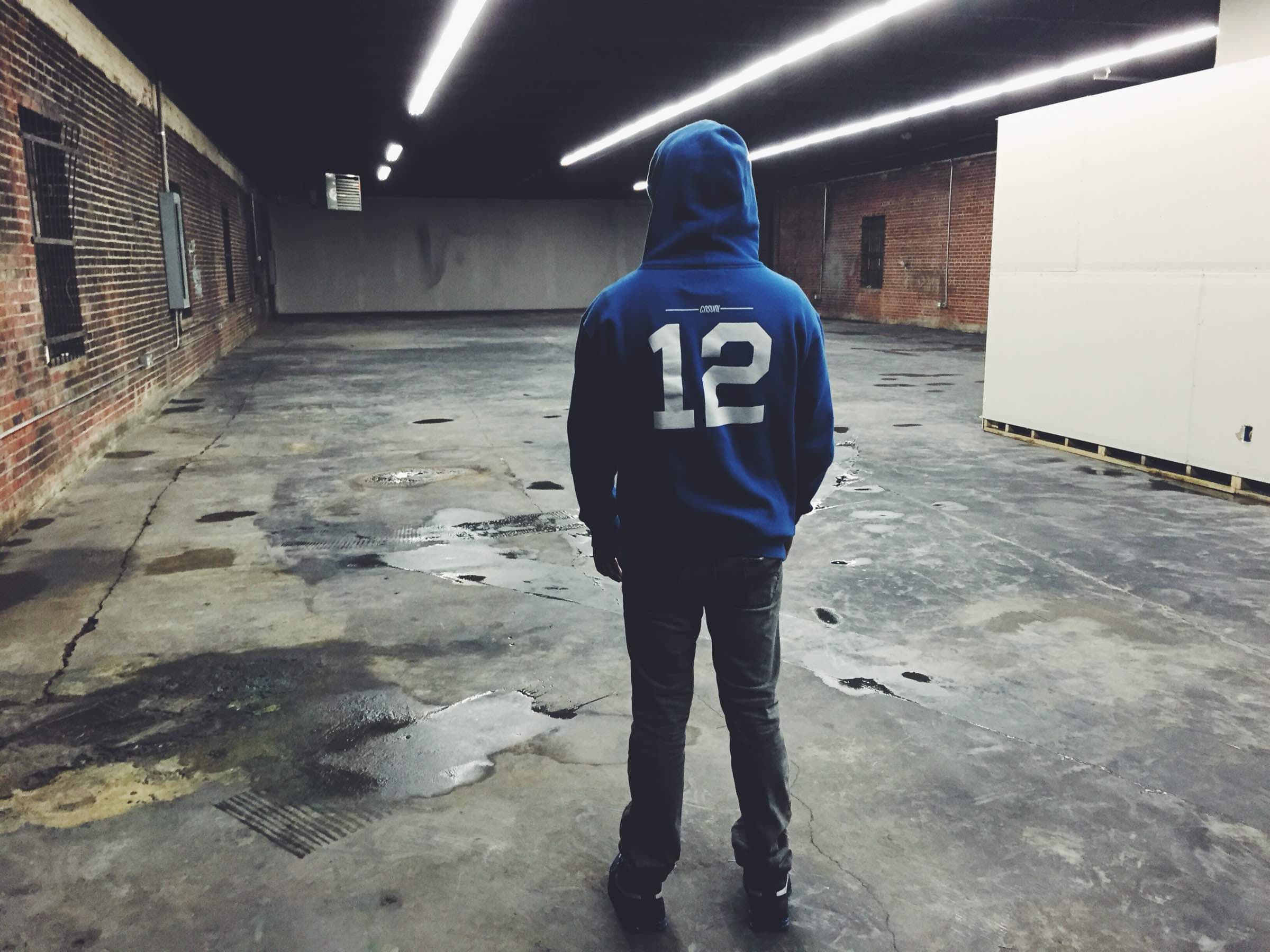
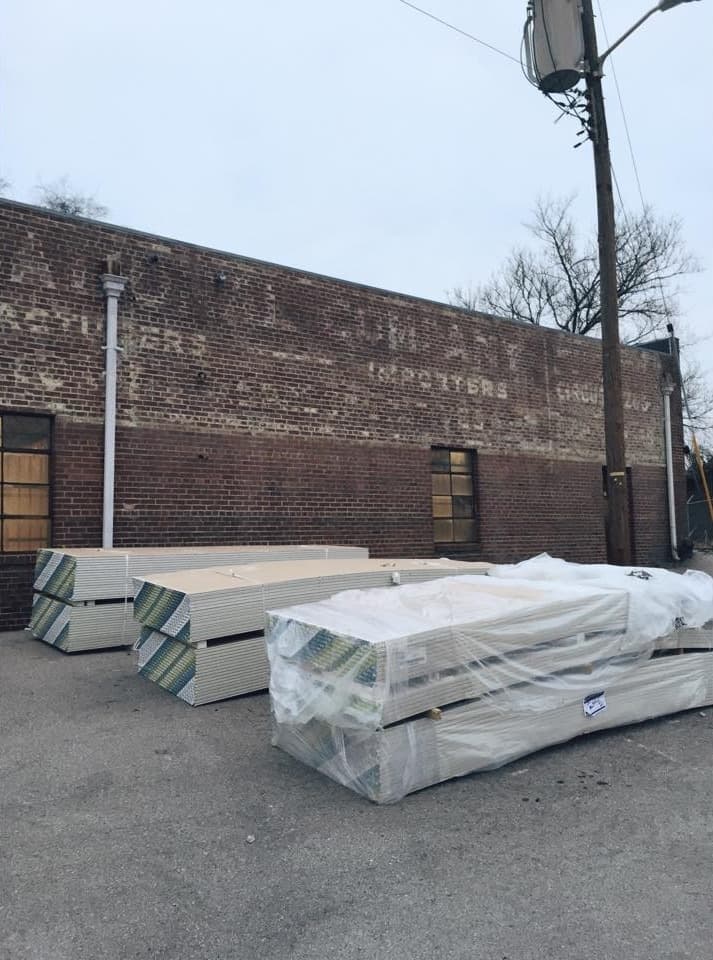
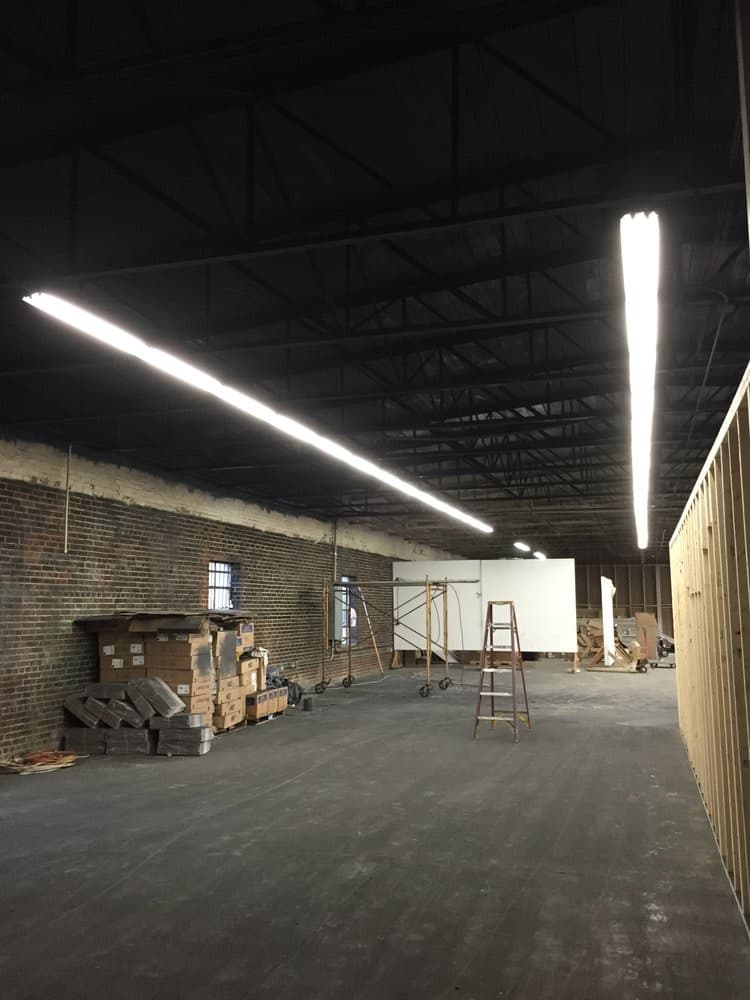
I was a producer without a studio, like an artist without a canvas. A conductor without an orchestra. I found myself staring at a 10,000-square-foot warehouse on Jewel Street. Rundown, neglected, and on the wrong side of the train tracks, it had sat empty for over a decade. My girlfriend, Anne, reluctant to even get out of the car, suggested we should call and cancel our appointment to see it. My vision couldn’t have been clearer.
My first tour of the building was like walking through history - remnants of businesses who once called the space home. The graveyard of 100 years of industrial tenants: recycled tires in one corner, boxes of stray high-heel parts in another. A crater in the concrete floor collected rain. As we completed that first walkthrough, Anne (now my wife), bent down and picked up something that caught the light; a tiny artifact among the debris left inside the warehouse on Jewel Street. Below the layers of dust and dirt, a polished stone; the resemblance of a precious gem.
She looked down at the dirt and saw what I didn't.
I looked up at those walls and saw what others couldn't.
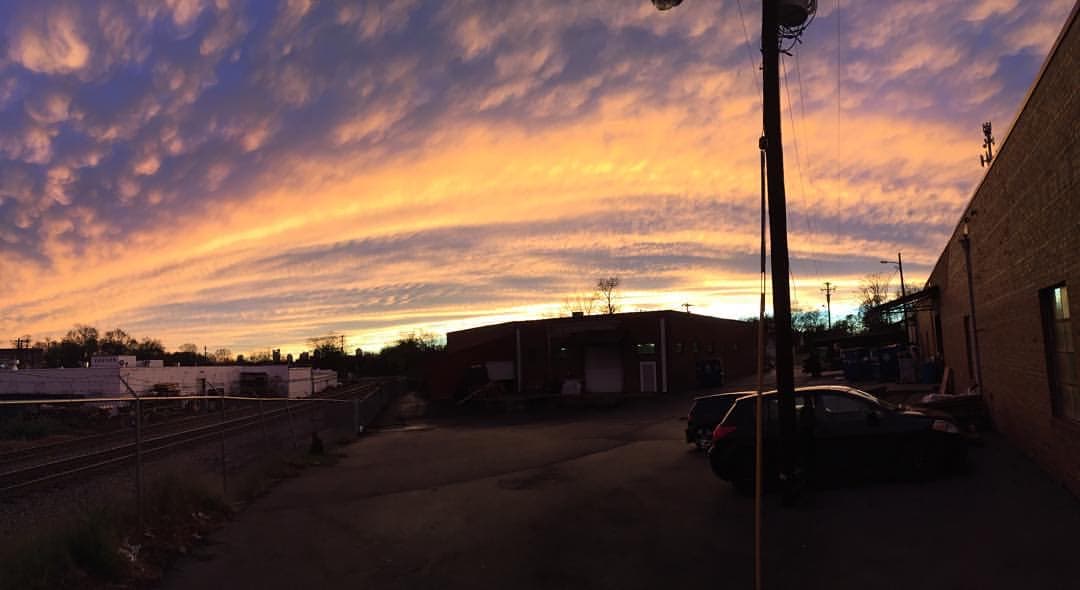
There are ghosts of what used to be dancing in the rafters. There are forgotten memories written on boards under the floor. And there's a freight train that runs by, singing a lonely lullaby, to the beat of a broken dream.
Staring at that framed jewel that has a special place on my bookshelf, I can see the pattern - one that started long before I knew how to name it. It was in the vinyl records that were trash to one, treasure to me; in the undiscovered brilliance disguised as the quiet outsider of the HOBY groups I'd facilitate.
I've only been able to show up in the world in the way that is authentic to me; for me, that's knowing everyone has a story, believing that every voice has something valuable to contribute if we make the effort to listen for it. Standing in that warehouse, I realized: every vinyl record I'd touched, every band I'd recorded, every leadership position I'd taken - they were all practice for this same thing. Not managing what is, but developing what could be.
It's a lens I try to apply not just to old buildings, but to overwhelmed leaders, struggling teams, and artists still finding their voice.
Scroll through the years, or choose a frame.
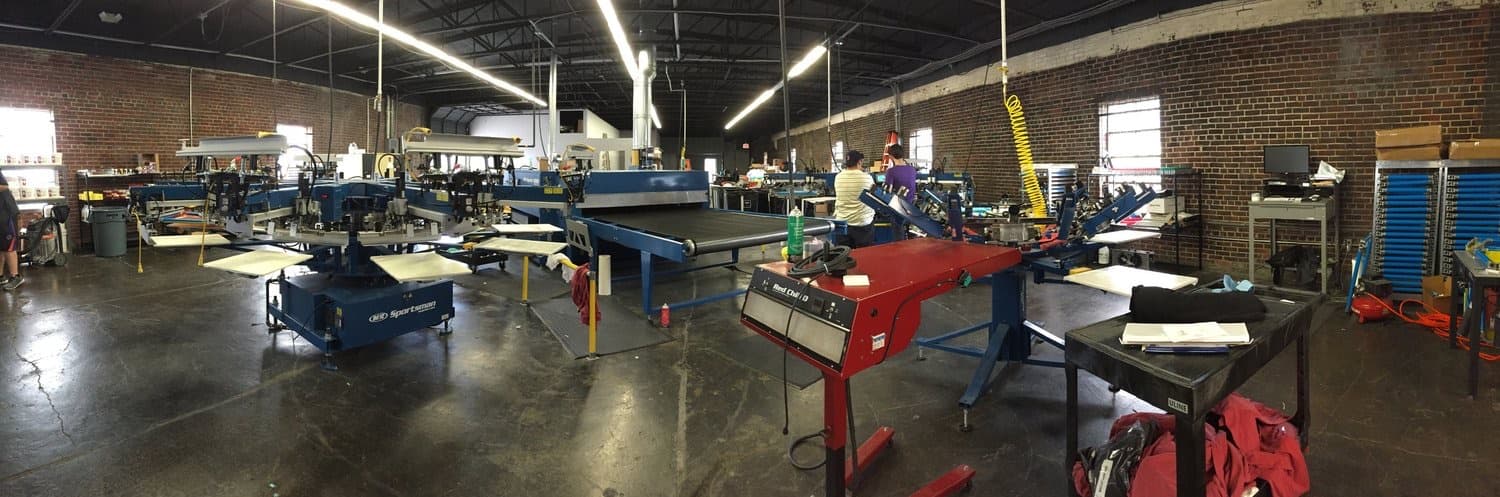
Years earlier, I had started printing T-shirts myself on a manual screen-printing press in the corner of a warehouse I subleased from my dad's flooring company. As sales grew, we expanded that operation and added contract print shops to keep up. By the time I moved to Nashville, much of our business was coming from big universities across the Southeast. Expanding here made sense.
The businesses had grown under the Destiny Collective umbrella: Destiny Records, Destiny Merchandising, and a collegiate division that started as Shirts for Greeks. Destiny Nashville came later. Eventually, I rebranded as South x Sea (also written South By Sea). The name connected our Seattle roots with the life and businesses I was building in Nashville.
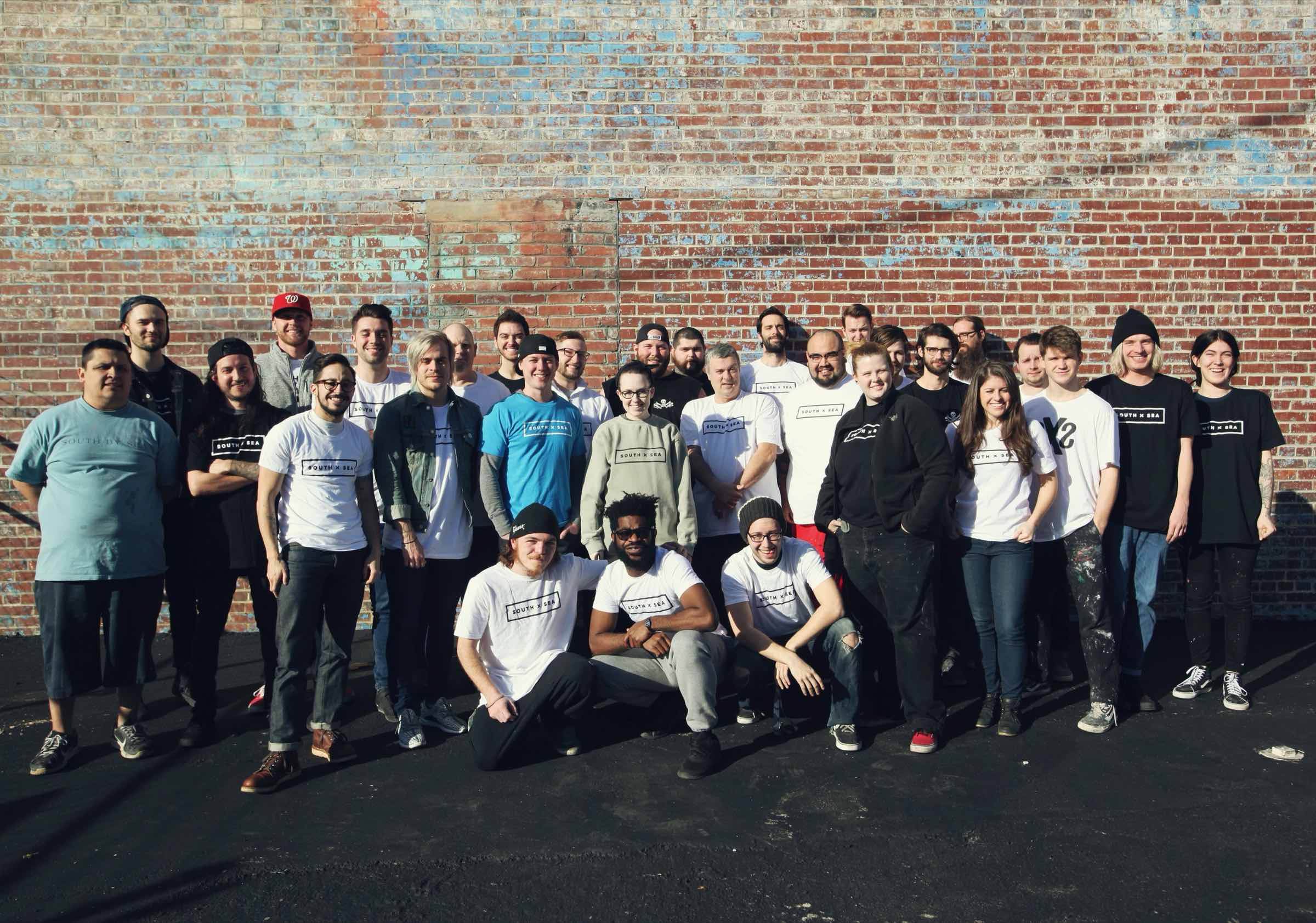
At its peak, the company had 75 employees and over $12 million in annual revenue. What began as a way to save money on tour merch had become a business with a scale and responsibility of its own.
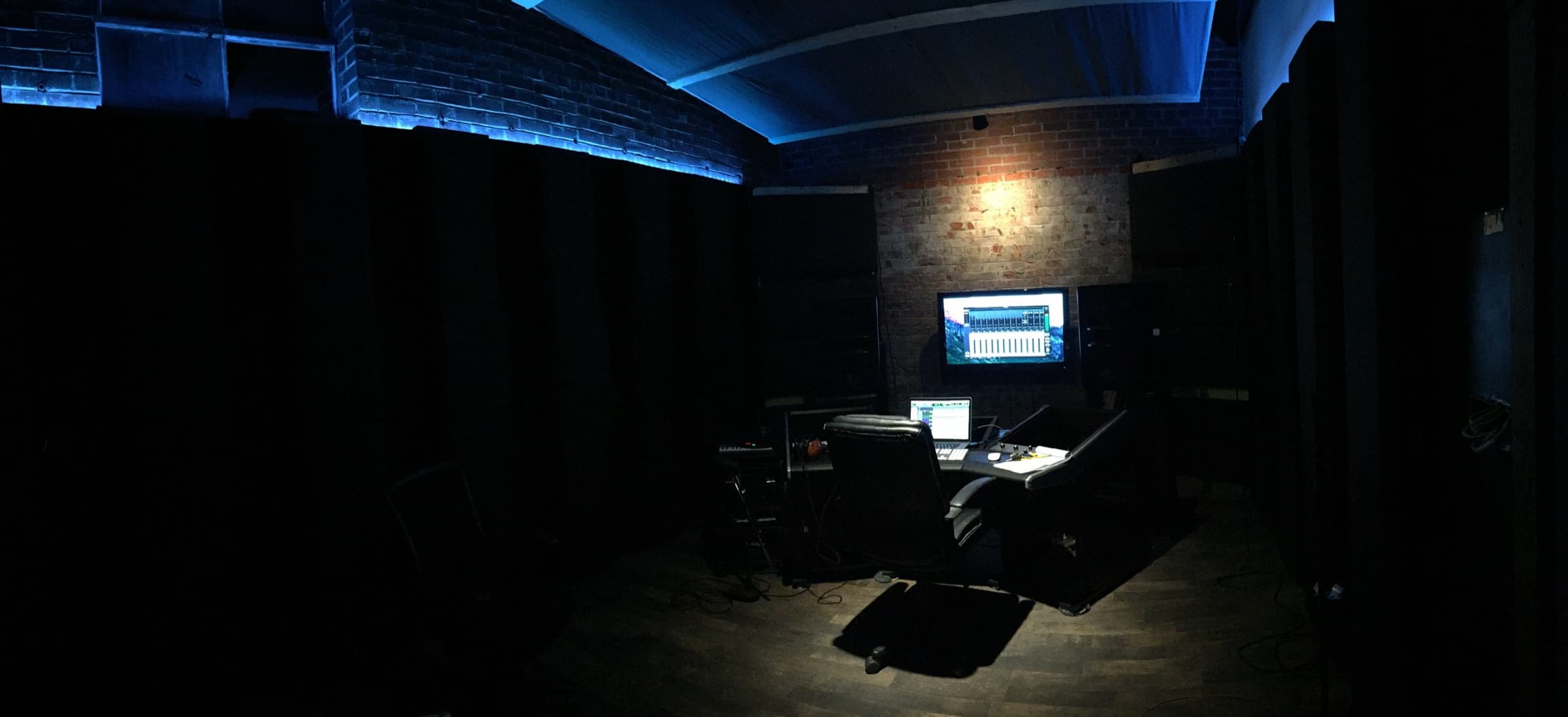
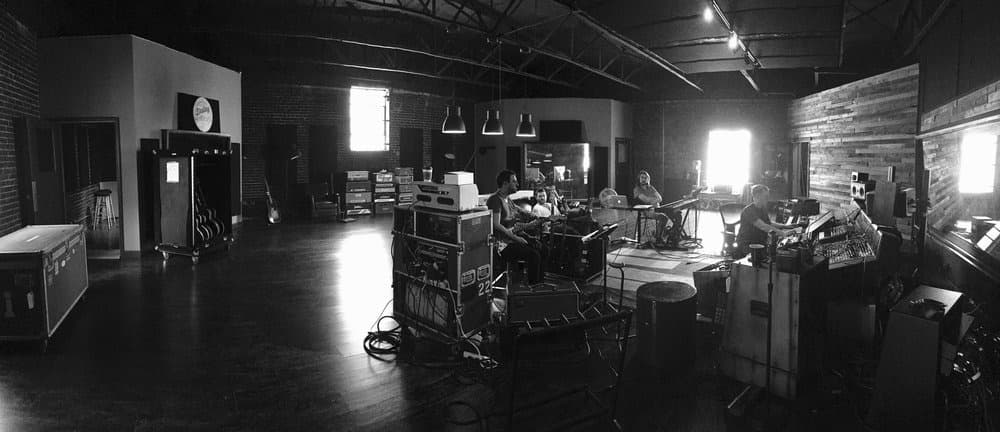
What started as an empty shell with brick walls has become a case study in transformation. We built two world-class recording studios, a dozen songwriting rooms, a multi-million dollar screen printing operation.
The warehouse on Jewel St had come back to life. I was proud of what we built. That brick building held more than just a company; it held a community.
Years earlier, I had started printing T-shirts myself on a manual screen-printing press in the corner of a warehouse I subleased from my dad's flooring company. As sales grew, we expanded that operation and added contract print shops to keep up. By the time I moved to Nashville, much of our business was coming from big universities across the Southeast. Expanding here made sense.
The businesses had grown under the Destiny Collective umbrella: Destiny Records, Destiny Merchandising, and a collegiate division that started as Shirts for Greeks. Destiny Nashville came later. Eventually, I rebranded as South x Sea (also written South By Sea). The name connected our Seattle roots with the life and businesses I was building in Nashville.
At its peak, the company had 75 employees and over $12 million in annual revenue. What began as a way to save money on tour merch had become a business with a scale and responsibility of its own.
What started as an empty shell with brick walls has become a case study in transformation. We built two world-class recording studios, a dozen songwriting rooms, a multi-million dollar screen printing operation.
The warehouse on Jewel St had come back to life. I was proud of what we built. That brick building held more than just a company; it held a community.
Chapter 05
2016-2017
We were gaining momentum with the newest iteration of my indie record label and making noise with the songwriters and producers I had signed to a new music publishing venture. Major brands came calling - I was fortunate to have songs placed in film/tv, licensed by Chevrolet, McDonald’s, Bose, the Olympics. My catalog of music was streamed more than a billion times.
Revenue leapt past milestones; recognition followed: South x Sea was honored several times on the Inc. List of Fastest Growing-Companies in America, recognized among the top growth businesses in the Pacific Northwest, and awarded "Small Business of the Year" by the Nashville Business Journal.
But here's what the awards don't tell you: I was trying to scale the way I always had, with more - more volume, more hours, more effort. I thought leadership meant doing everything myself - faster, longer, louder. I was about to learn that volume isn't velocity.
When my life looked the best on paper, it felt the worst inside. It would be a season of discomfort; a season of dissonance. One that would lead me through painful and expensive lessons while celebrating accomplishments, achieving goals, experiencing growth at a new scale.
An interesting juxtaposition: receiving awards while everything was falling apart.
ACT III
Chapter 06
2017 - 2018
These are the stories that are scary to tell. It's hard to be vulnerable. But in a world of artificial intelligence, I think there's never been a better time to be beautifully, imperfectly human.
Instagram filters, photoshop, and other apps let us edit photos in the palm of our hand. It's never been easier to hide our blemishes. We scroll habitually through social media posts that showcase only our best moments. The stories we tell the world are missing a lot of context.
Sometimes the best parts of our story are the parts that aren't very pretty.
I was splitting my focus between chasing my dreams in the music industry while managing the engine I built to fuel them. I was trying to outwork problems that didn't need more effort, but a better design. I was spread thin.
Trying to be great at many things, being remarkable at exactly zero of them.
THE VISION
I recruited a talented business partner with a complementary skillset to focus on sales and operations. But my vision wasn't clearly communicated. My partner and I weren't aligned.
THE EXECUTION
Our differences were obvious, our disagreement trickled down to the team. We hired fast instead of right, worked hard instead of smart.
I was trying to outwork the problem, but the problem wasn't a lack of effort; it was a lack of clarity, focus and alignment. We were building bigger and faster on a fragile foundation.
We weren't in the same key. I just hadn't stopped to listen.
The business continued to grow. I wondered why the bank account didn't. I didn't know that you can literally grow yourself out of business.
I brought in financial consultants to audit the business.
When the results came back, bankruptcy wasn't a fear anymore. It was a probability.
My dad, a perpetual advocate for responsible spending, had shared his wisdom with me from as early as I can remember. Thanks to the lessons he engrained in me, I had options available to help. With extensive amounts of good credit, prayer, and luck, we survived the cashflow challenge I didn't know we had to plan for. Bankruptcy was off the table, but we were still in rough waters, far from smooth sailing.
Tough decisions were made. I knew we had to downsize and simplify. The best decision for the business was painful to make and even harder to execute. I found interested buyers and negotiated the deal - we would sell a manufacturing piece of the business to raise capital and reduce debt.
The buyer didn't need our team. The layoffs were one of the hardest things I've ever had to do.
Carrying the grief and responsibility but with a future for the business preserved, I continued ahead. Back to work.
A little harder. A little smarter.
A little less of a spark.
Disaster averted.
Chapter 07
2017 - 2018
At the same time, I was learning a very real truth about being human. The answer in my 20's was always "yes" - the project, opportunity, or problem - bring it on. I'll figure it out. I'd just have to work harder. Stay up all night, get it done. Who needs sleep, exercise, lunch? It turns out, all of us do.
I was a leader driven by a focus on listening, but I wasn't listening to myself.
A polite ask turned to aggressive demand. My body was going to get my attention. I was living in tension, ignoring the lingering tightness in my chest and regular shortness of breath. One night it was particularly bad. I was able to calm myself down enough to fall asleep for a few hours. I brushed it off.
The next day, walking into a meeting I was facilitating, something felt wrong.
In an instant, my backpack became impossibly heavy, like it was suddenly filled with cement and hardening into concrete. I couldn't catch my breath.
I slowed down, but pushed through. I had to walk up exactly one flight of stairs to the conference room.
It felt like climbing Mt Everest.
I made it to my seat and quietly practiced a breathing technique. Thankfully, someone else was responsible for the first part of our meeting. I tried to focus but had trouble understanding much of what was being said. At some point, one of the participants looked at me and asked, "Are you okay?" Just then, my watch buzzed. A high heart rate notification. I looked at the time. I'd been sitting still for twenty minutes.
HEART RATE
now
Your heart rate rose above 120 BPM while you seemed to be inactive.
A few minutes later I was being taken to the ER. Heart disease runs in my family. Convinced I was having a heart attack, I thought my time must have come early.
The test results ruled out a heart attack but required further work with a specialist.
The diagnosis wasn't clear but the message was: my body was no longer negotiating. It was done waiting for me to listen.
Chapter 08
2017 - 2018
The way I was doing things wasn't sustainable. I needed structure and discipline. My attention needed intention; more focus on the things that truly matter, more "no's" to things that don't.
I was reading more furiously than ever, consuming the best reviewed business books Amazon had to offer.
Timeless principles from experts helped to reframe problems and provide frameworks for me to reference.
I read a book called Traction that felt like every word was written just for me. It outlined a framework called "EOS" - the Entrepreneurial Operating System. With every turning page, I read about problems that sounded just like mine and the tools the EOS framework used to solve them.
I started implementing those tools immediately, and I couldn't believe how big of an impact I felt in such a short period of time. With renewed confidence and optimism, those tools helped me imagine what a new path forward could look like. One that was more sustainable, controlled, and predictable. I felt the profound shift beginning - from the constant, stressful state of being reactionary to the disciplined, measured state of taking control and being proactive.
I started to feel like I was running my business again, instead of feeling like it was running me.
For the first time in years, I had a tempo I could sustain.
I found the EOS tools useful across various teams and also in my personal life. Simple standalone. Powerful in combination. Beautifully simple, but not always easy.
All those years of saying yes had trained me in addition, not subtraction. Another project, another initiative, another investment - yes, yes, and yes.
But entrepreneurship and leadership, I was learning, are as much about what you don't do as what you do.
I was beginning to learn that leadership doesn't scale through effort alone - it scales through systems.
ACT IV
Chapter 09
2018-2019
With a successful business turnaround in the rear view mirror, I quickly realized the cracks in a partnership don't magically heal and recover with the P&L statement. What we had pulled off to avoid bankruptcy couldn't save what was already broken.
The business was recovering; our partnership was not.
The dissonance I felt in that relationship led me to look inward. Books like True North, Start With Why, Built to Last and more guided me along a journey of self discovery.
Continued cracks in partnership only created increased clarity in self.
Feeling unable to lead authentically showed me who and what I was not; a journey of soul-searching and reflection helped me understand, more clearly than ever before, who I was.
I drafted a personal mission statement, defined my purpose, and discovered my personal core values. A business book called Principles inspired me to compile a list of the principles I wanted to live by on a personal level.
The process I followed to become clear about who I am, combined with a challenging business partnership produced an unexpected result as it shined a light, brighter than ever before, on another relationship in my life. Alone on a flight from San Diego to Seattle, my soul spoke - it was an overwhelming feeling, something that felt familiar and like an awakening at the same time. In that moment I felt like the powers of the universe came together to instill within me a message of spiritual understanding.
In that moment, I felt comfort, confidence and peace as I imagined the companionship of my soul's counterpart and thought about how I might ask Anne to be my wife.
Chapter 10
2018-2019
Less than a year later, surrounded by family and friends, I married my best friend on the happiest day of my life: my sister Shalane's birthday.
A month later, I was at a funeral for my business partner after he passed away suddenly.
Joy and grief were tangled together in ways that still don't resolve.
It was one of those times in life that you can never emotionally prepare for. As a young entrepreneur, I hadn't prepared for it in other ways either. There was no succession plan, no path forward or policy defined. An amateur attorney and a poorly written Operating Agreement didn't outline terms for a meaningful or productive resolution. The language left too much open to interpretation, resulting only in dead ends.
The only thing it made clear was that the countdown started the moment my partner passed: exactly 90 days to reach agreement or the business would be sold.
Every day, a new symphony of emotions, all in perpetual motion: grief, confusion, uncertainty, frustration. Moments of newlywed joy sprinkled in, followed by feelings of guilt. Thoughts telling the lie that I'm not supposed to feel happy amidst tragedy.
My life felt like it was unraveling in the months that followed; decisions made for me, the design of my destiny delegated to lawyers and other third parties with conflicting interests.
90 days is not a lot of time to navigate the complexities of a negotiation of this magnitude. This is a wildly aggressive timeline even in the most optimal conditions.
The circumstances I was in: the party on the other side of the negotiation table from me was a family grieving the unexpected loss of their son.
Impossible.
We didn't reach an agreement. The business was placed in the hands of a third party designated to manage the sale. Because I planned to submit an offer, I wasn't legally allowed to be involved in operations - or even to speak with my own team. I didn't realize how hard that would be.
I submitted a multi-million dollar offer built to pay off every vendor, retain every team member, put cash in every shareholder's pocket, and guarantee the working capital to keep growing. It was a closed bidding process.
I was devastated to learn that a higher offer from a larger competitor had been accepted. The company I had built and run from age 19 to 32 would now belong to someone else.
The joy of my wedding, then the sudden, tragic loss of my business partner. Selling a company, yet under challenging and unexpected circumstances. What should be a milestone for an entrepreneur to celebrate, diminished, an unplanned exit. Grief collided with the chaos of probate and paperwork.
It was a failure not of effort, but of a fragile design made more difficult under pressure.
Whiplash.
Chapter 11
2019-2020
Add a global pandemic to the mix, and you have a perfect formula for either collapse or transformation. I chose transformation, but first, I had to learn to sit still.
A coach introduced me to a book called Transitions and the concept of the "liminal space" - that suspended moment after something ends but before the next thing begins.
Instead of rushing through it, I tried to find joy in the journey. To see this floating, zig-zagging path not as wasted time but as time well spent, preparation for what's next. It's not natural for me to sit still. It's uncomfortable. But i've found moments in the stillness that bring insight and clarity, moments where real growth happens.
As someone wired to always be moving fast, this chapter has been teaching me that sometimes we need to slow down in order to speed up and hit our next milestone. And other times, we just need to slow down and be present in the moment.
The path I followed in this chapter led me to two places that would change me in more ways than I expected: Harvard Business School and the Nashville chapter of the Entrepreneurs' Organization.
I'm learning to appreciate the scenic route.
Chapter 12
2020-2024
A chapter of learning and exploration would become the experiences and relationships that would change my life. I went back to school, finding a love for the city of Boston as it became a temporary home while studying at Harvard Business School. I became an HBS alum in the Spring of 2022.
I joined the Nashville chapter of the Entrepreneurs' Organization and finally found a group of people that were a lot like me: other entrepreneurs running real businesses, who understood how challenging, lonely, and rewarding the entrepreneurial journey can be.
It would have been easy for me to think, frustrated: "If only I had this community a few years ago...."
That thought became the motivation for me to become even more involved, trying to create the experience and share the opportunity that I didn't have with as many other entrepreneurs as possible. It has been rewarding to serve on the board for several years, to help lead the accelerator program our chapter developed for early-stage entrepreneurs, to mentor and coach dozens of groups and individuals across a diverse range of businesses and industries.
I didn't know at the time because I couldn't see it. What had felt like a few years of floating, in motion but without a clear destination, was actually me collecting some of the most meaningful moments and memories of my entire life. I started to understand that all of my experiences - the good and the bad, the obviously connected and the seemingly completely disconnected, the highest highs and lowest lows - served a purpose.
They shared connective tissue, orchestrated and connected in beautiful harmony.
And they were all building upon one another, combining to become a firm foundation I could build on once again, stronger and more stable than I ever imagined it could be.
ACT V
Chapter 13
2025-Present
You know how to run a business. You've done it. Now, we're going to teach you how to do it on purpose.
That phrase - on purpose - became my new compass; a lens through which I could look and use as a filter. Which projects are worth pursuing, which passions are worth prioritizing?
The book called Traction that I had read years earlier outlines a framework for founders like me; a simple set of tools that make up a full system - the Entrepreneurial Operating System (EOS) - designed to help run a company "on purpose."
I got certified, trained as a Professional EOS Implementer, and suddenly, twenty-five years of seemingly scattered experiences arranged themselves into a clear composition.
The revelation: my entrepreneurial scars were making me a better producer.
Every role had been practice: the eighth-grade student body president learning to read the room and recognize the potential in others; the HOBY facilitator helping teenagers find their voice as young leaders; the music producer aligning world-class musicians, helping talented artists find their unique sound; the entrepreneur learning that sustainable success needs structure and systems; the options trader, poker player, and investor making bets with calculated risk and reward; the mentor and coach of developing entrepreneurs, global superstars, and everything in between.
Twenty-five years after standing at my first podium as student body president, my experiences have only confirmed what I thought leadership was back then:
leadership isn't about having the answers. It's about creating the conditions where the right answers can emerge.
I had discovered my personal mission and core values years earlier.
This chapter helped me more fully understand my purpose: to bring out the best in others.
The work I do now is all about turning that purpose into a practice.
I show up, on purpose, with everything I've learned as a producer, translated into business; and all the lessons I've learned as an entrepreneur complement and strengthen the creative process.
THE PRODUCER
Being a music producer feels like the perfect translation of my life's work. A great producer is, above all else, a great listener. You learn to hear the harmony and the dissonance. A producer's first job is to listen - to hear the song that's often buried underneath the noise. You listen for what an artist is trying to say, how they want to say it and who they want to be, and then help them clarify their vision and bring it to life.
THE IMPLEMENTER
When I sit with a leadership team, I often hear a band of brilliant musicians playing different songs. My work now is to get them reading from the same page, playing in the same key and at the same tempo. I help them find their rhythm so their performance becomes repeatable, sustainable, and intentional.
The work unlocks potential: more clarity, more alignment, more harmony. It's some of the most rewarding work I've ever done.
In every stuck leadership team, I hear the same thing: potential waiting to be produced.
My role isn't to write their music. It's to help them hear the song they've been trying to play all along.
This story doesn't have an ending because it's still being written. Every client, every session, every moment I choose to see potential over problems adds another bar to the composition.
My ability to see the diamond in the rough, to hear the music when others hear noise, comes from the most important part of my story: my sister, Shalane.
Without words, Shalane taught me to look past the surface and see the remarkable potential in everyone. She taught me that you can be silent and still change someone's life, that kindness is a quiet strength, that everyone has a story.
She's why I lead with empathy, stay curious, and look for the best in people. She taught me that everyone has music inside them - sometimes they just need someone to help them hear it.
She inspired my leadership journey that started in eighth grade, believing I could listen well enough to give a voice to all in order to make things better. She's why I spent years helping teenagers discover their own voices as leaders at the youth leadership camp called HOBY. She's the reason I see diamonds where others only see the rough.
Years gone, she still makes me better. Every day.
The story isn't finished. The best chapters - yours and mine - are still being written.